Design process
A look into Ana’s creative practice.
Explore the step-by-step process of bringing Garden of Eve to life.
The project was developed between September 2024 and December 2025.
Material research
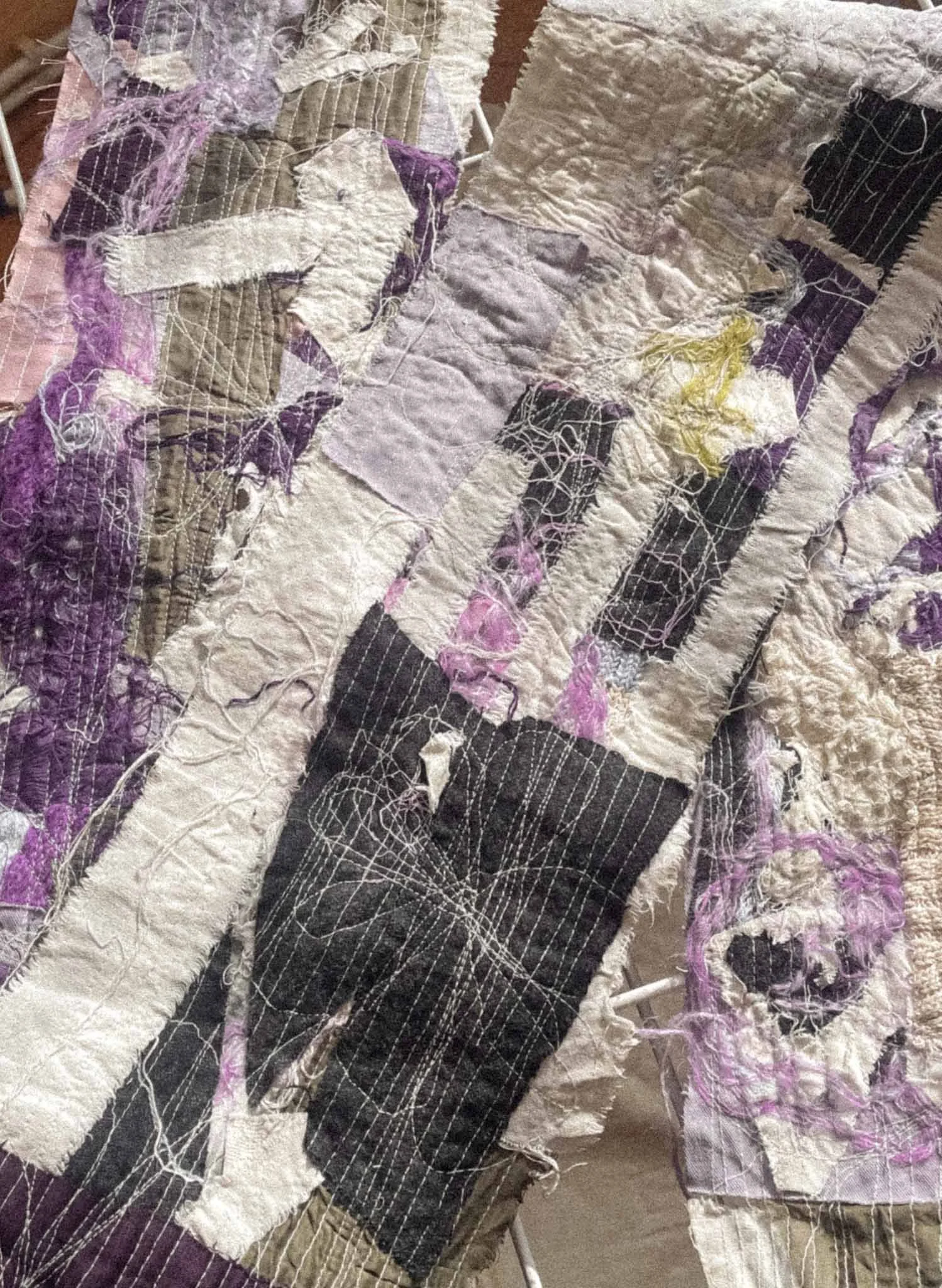
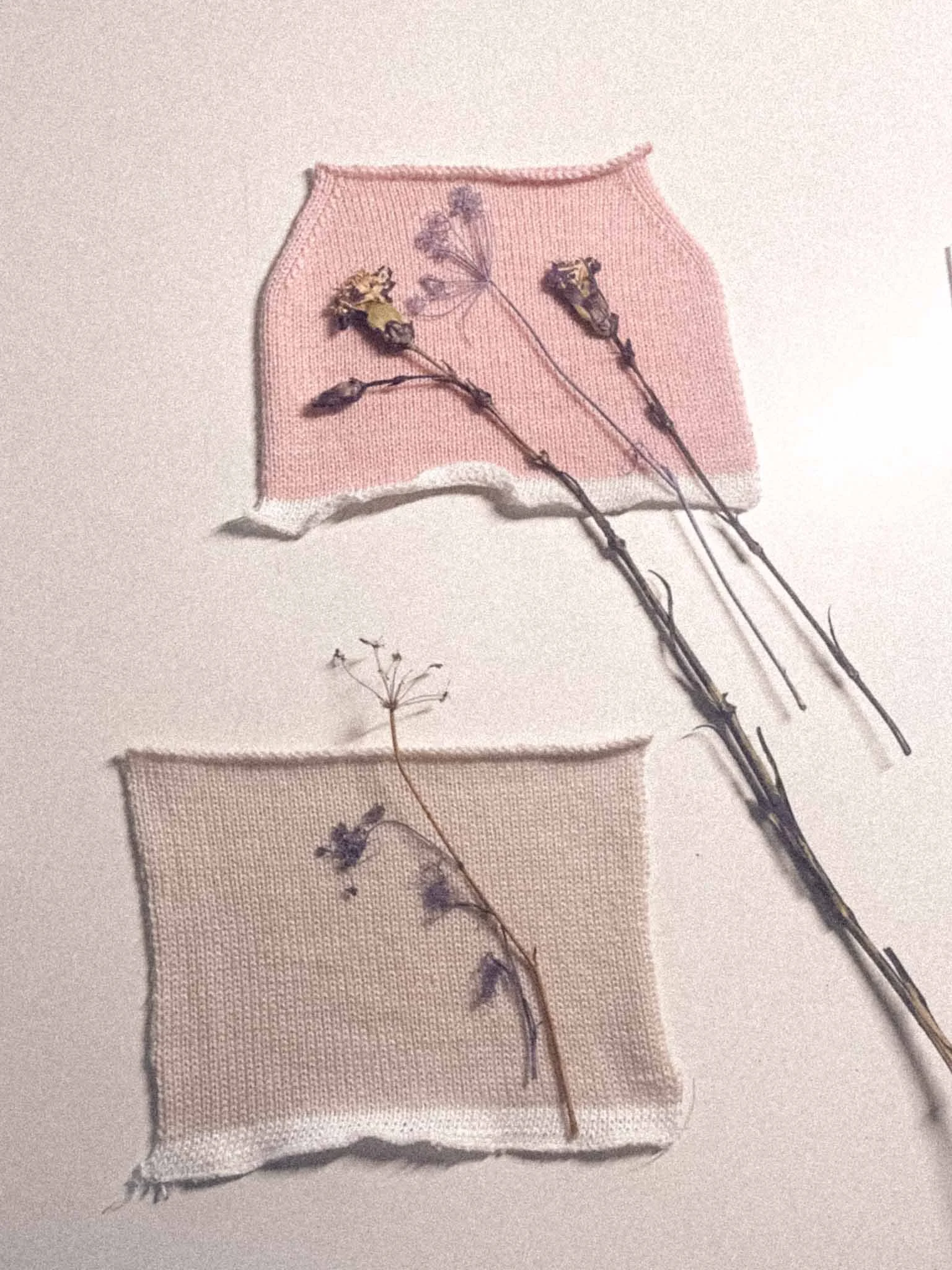
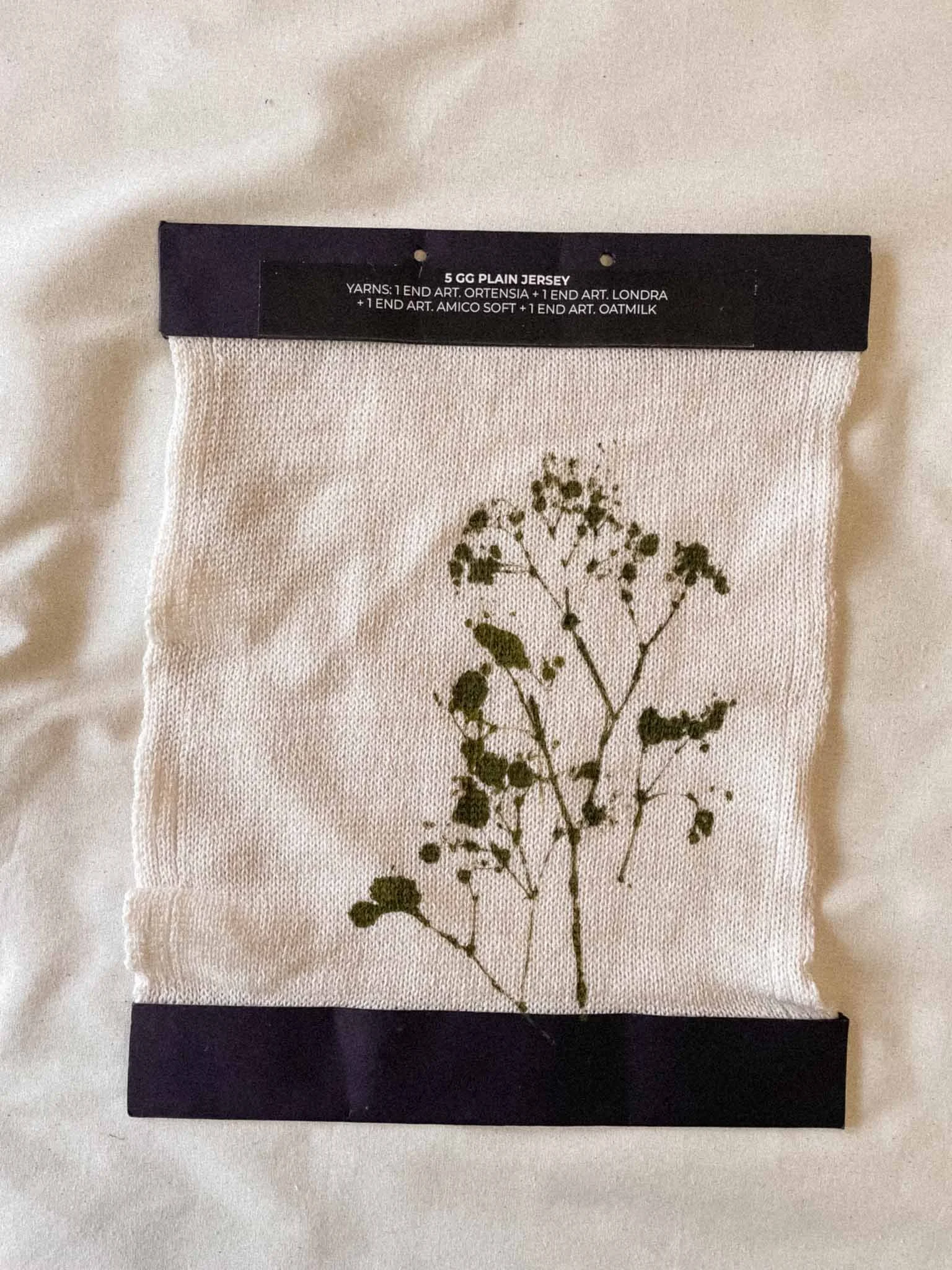
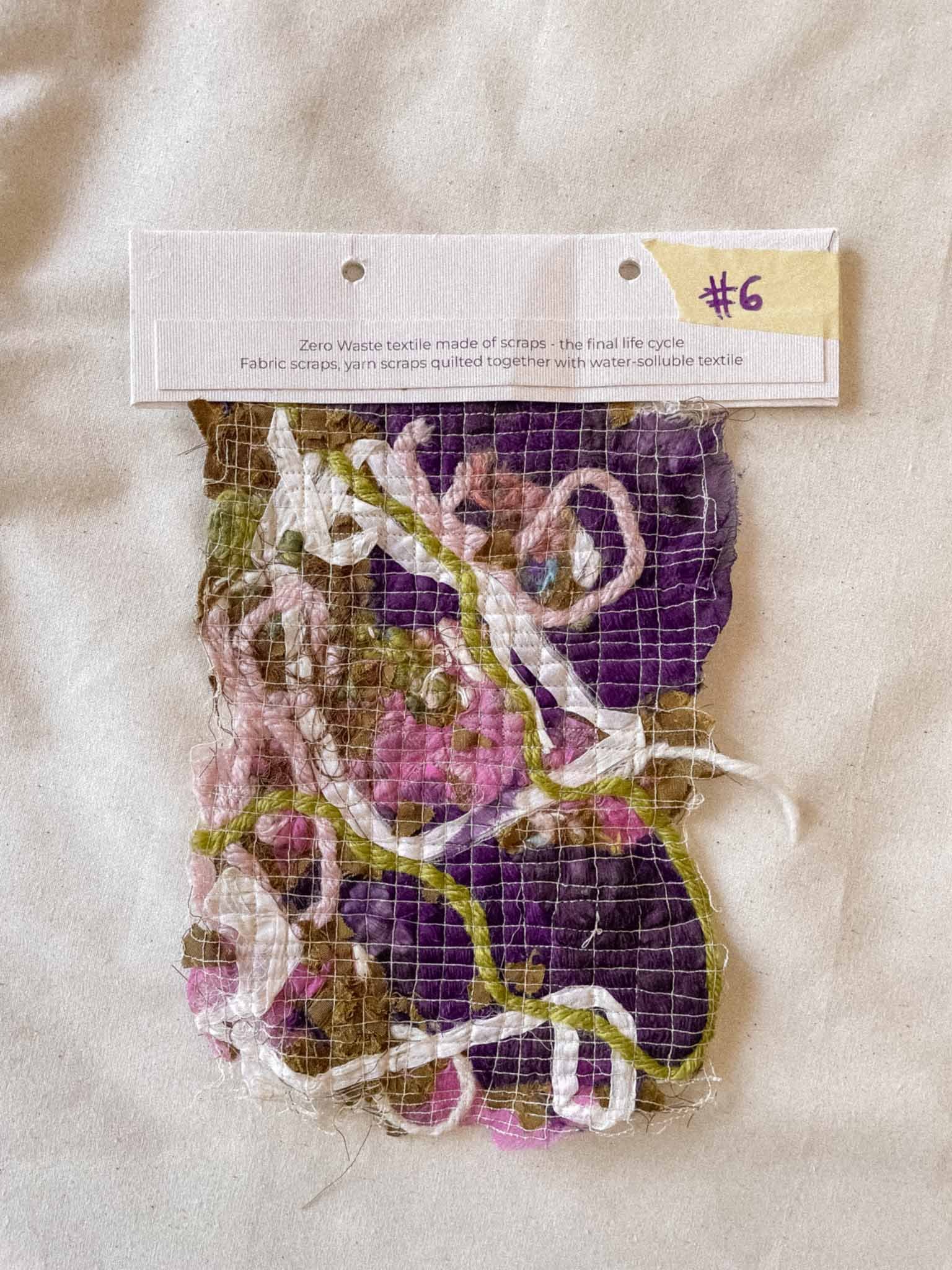
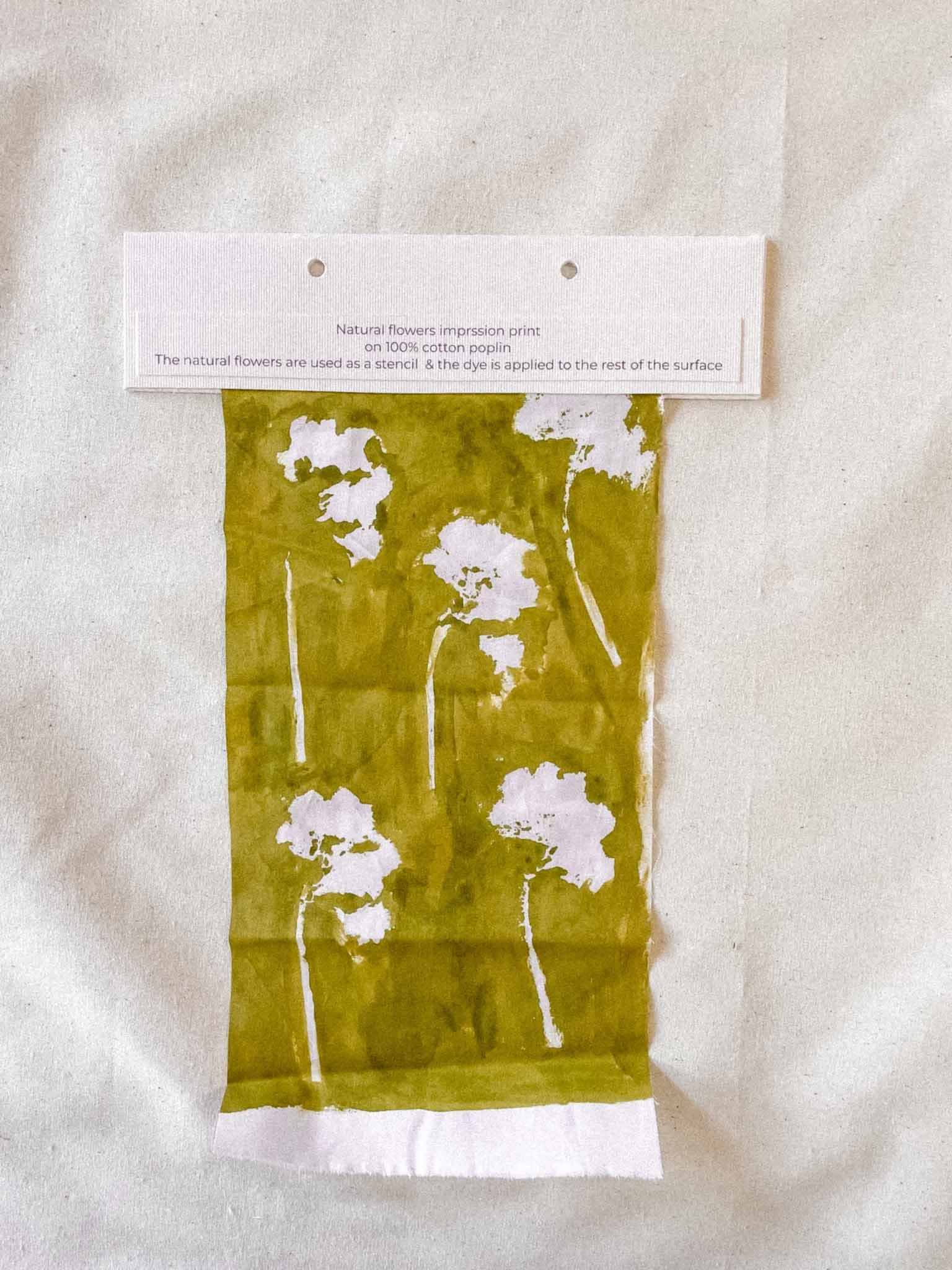
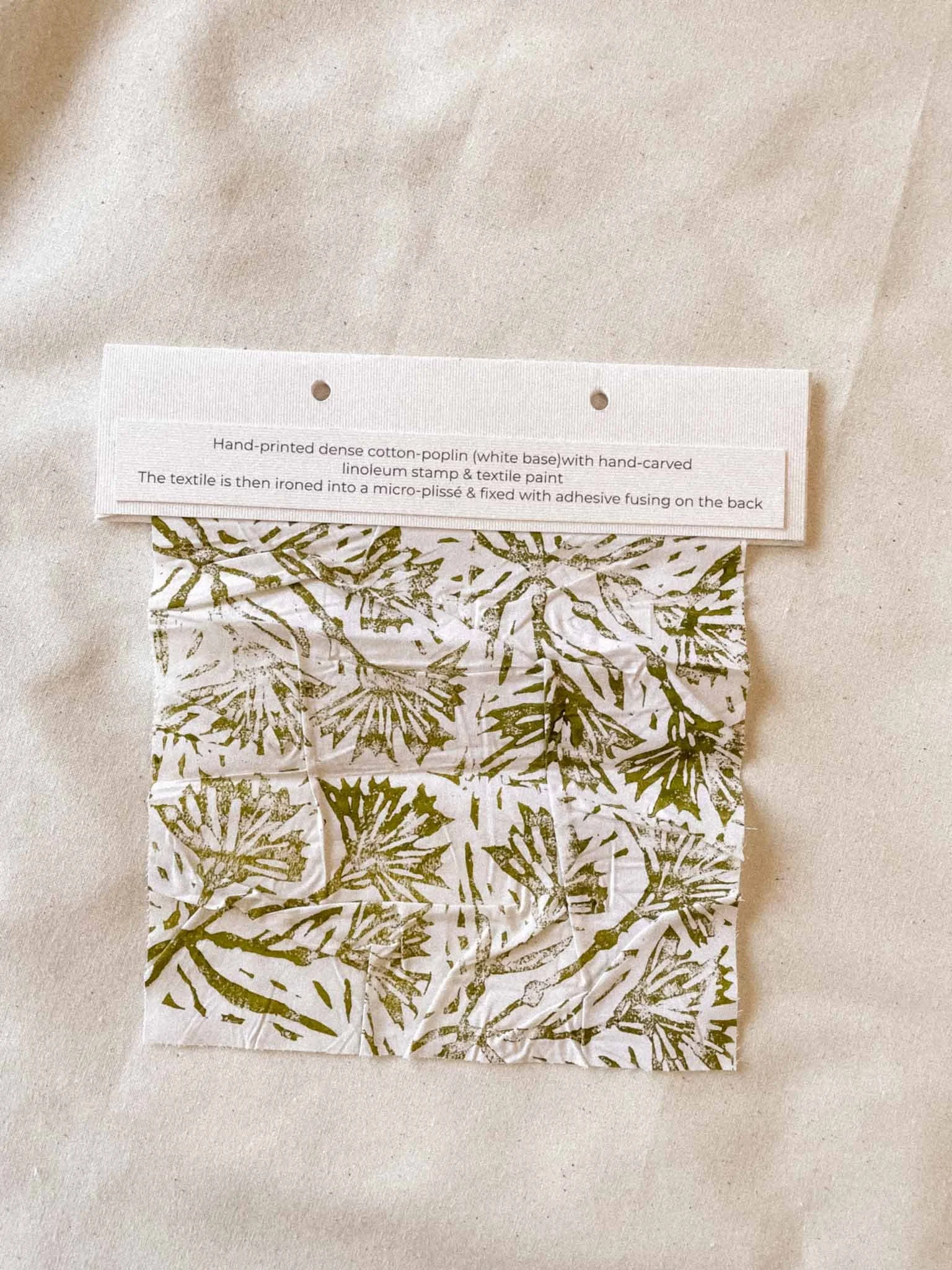
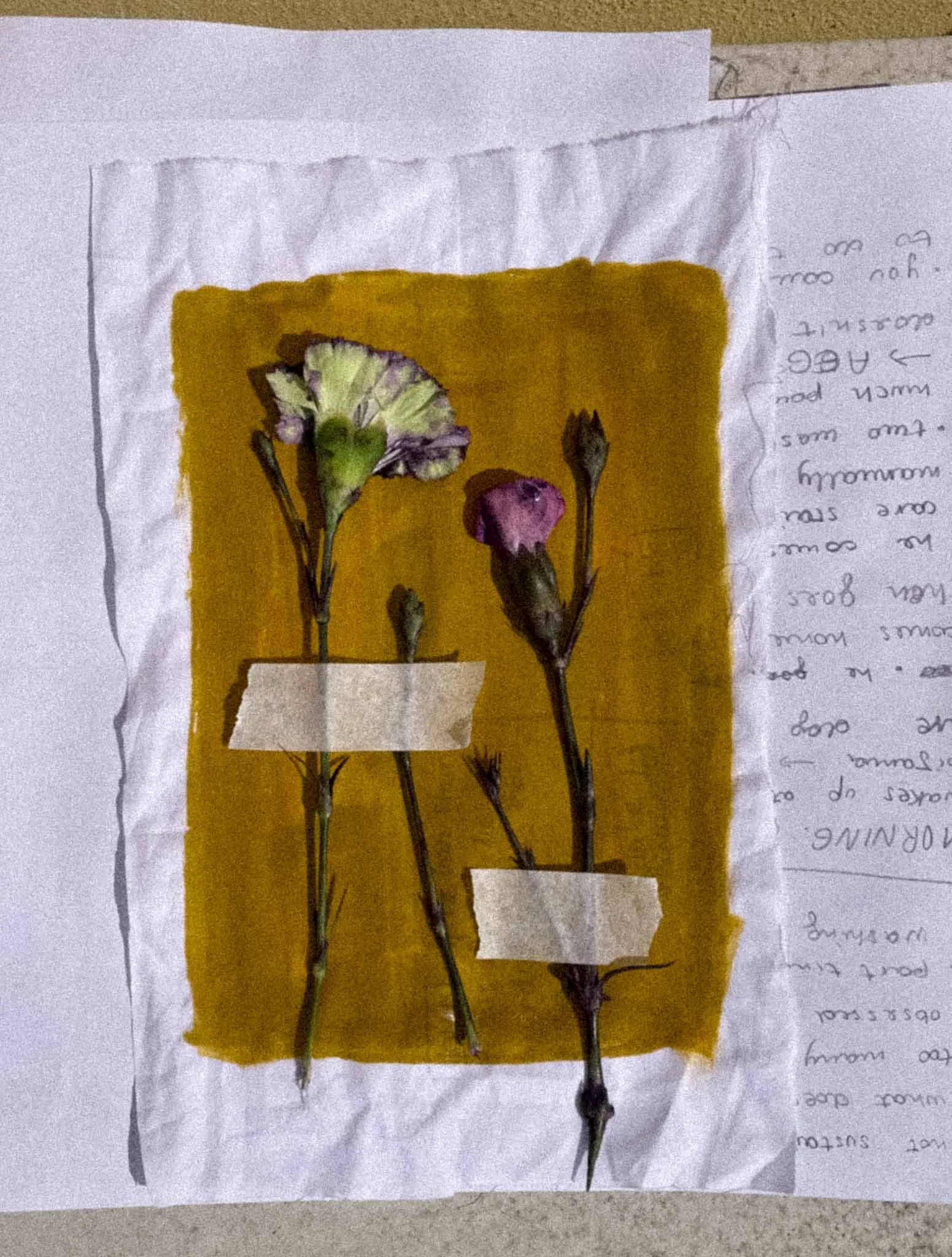
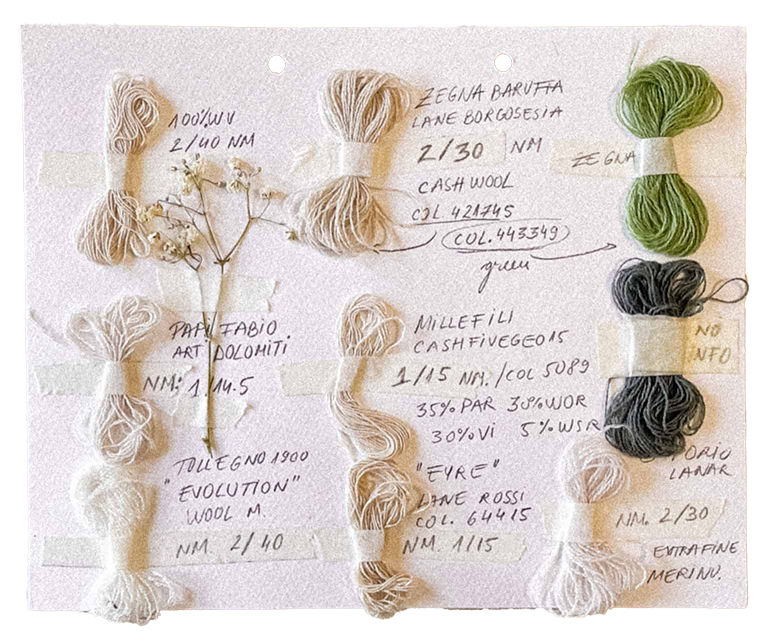
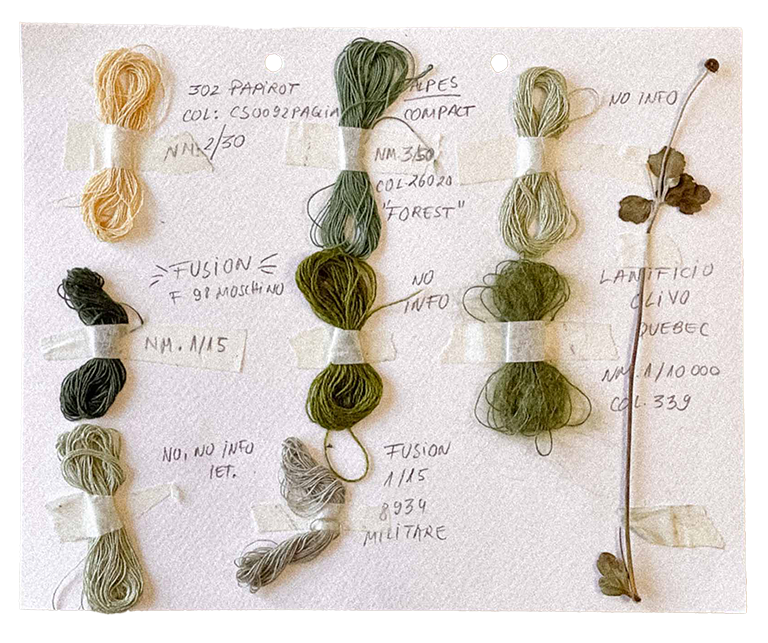
“Material research lies at the core of Garden of Eve - it was important for me to source the fabrics and yarns sustainably. Fabrics are always dead-stock, to begin with. Their fibres are, in as many cases as possible, 100% natural fibres: 100%wool, 100% cotton, 100% silk. When using a blend, I use it responsibly: with low-waste pattern cutting in mind, from the beginning of the design process, and later preserving all scraps from the construction process and “weaving” or quilting them into new fabrics through various techniques. My main yarns are merino and 100% virgin wool, and fuzzy mohair yarns. The mohair yarns are, indeed, blends - but they are used with the same caution as the textiles. Knitted pieces are always fully-fashioned, and never cut & sewn, which further lowers waste. I also researched a lot of impression-printing techniques, since the alternative would have been digital printing. This was a big no-no for me from the beginning, as it is rarely done on natural fibres. ”
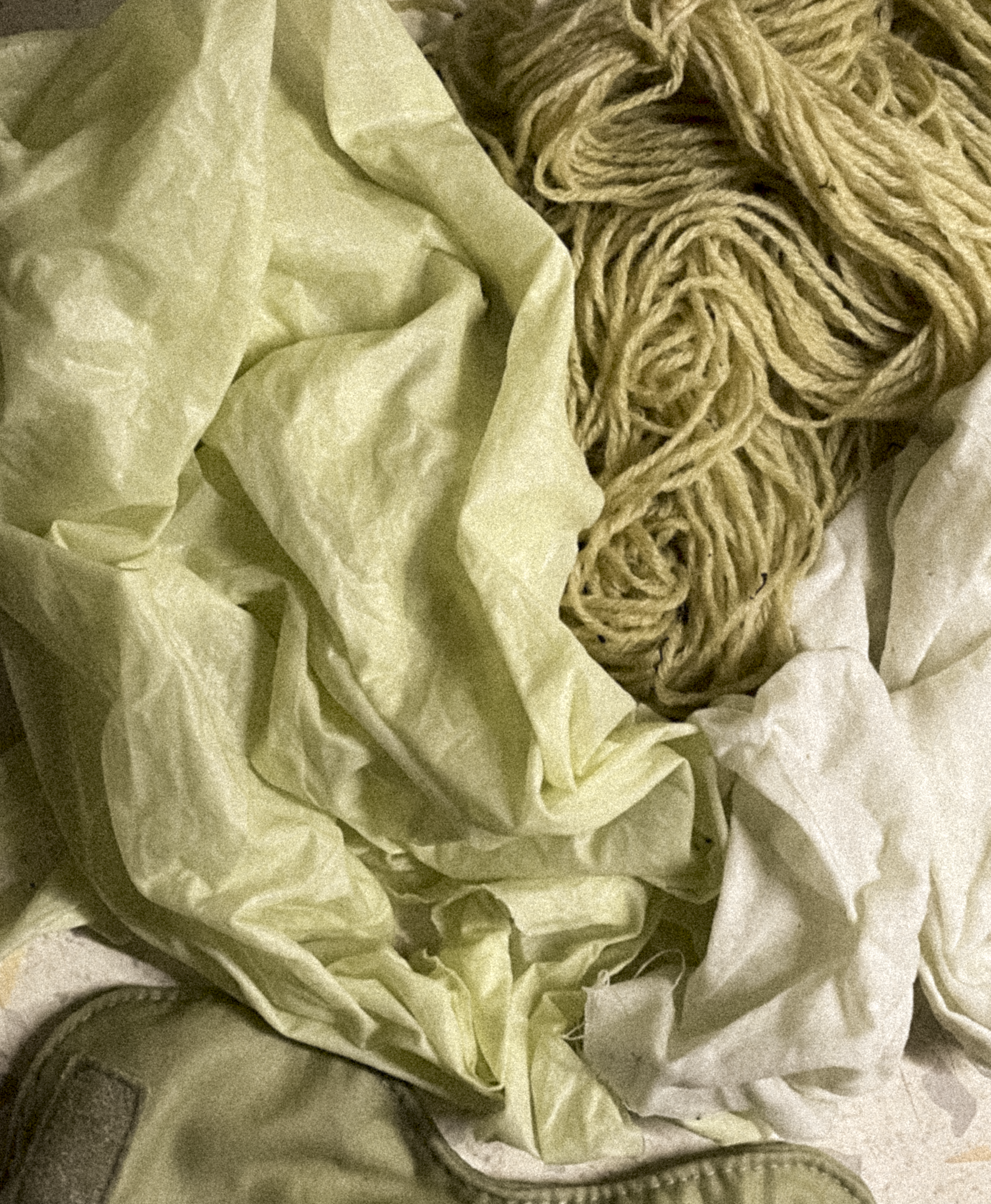
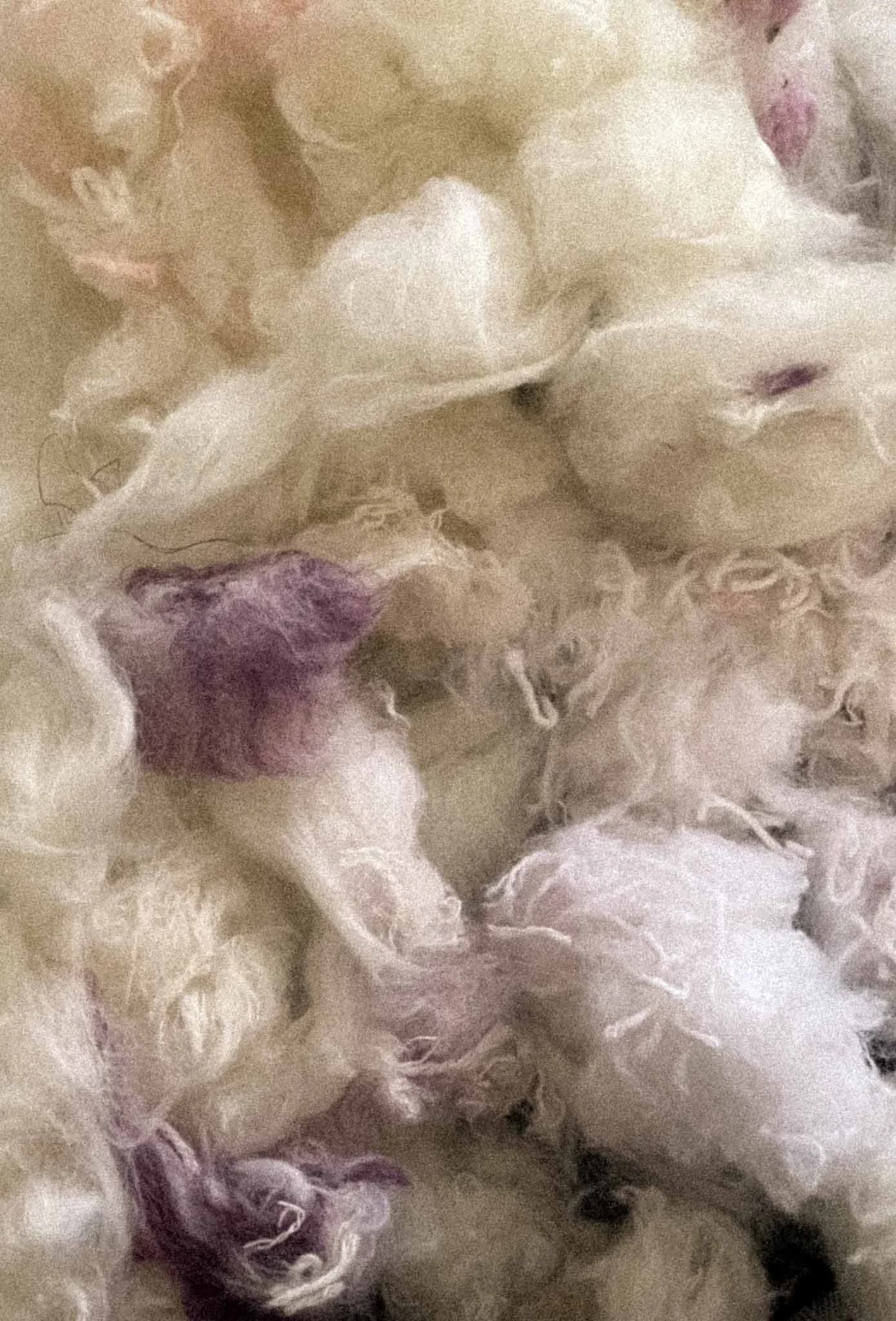
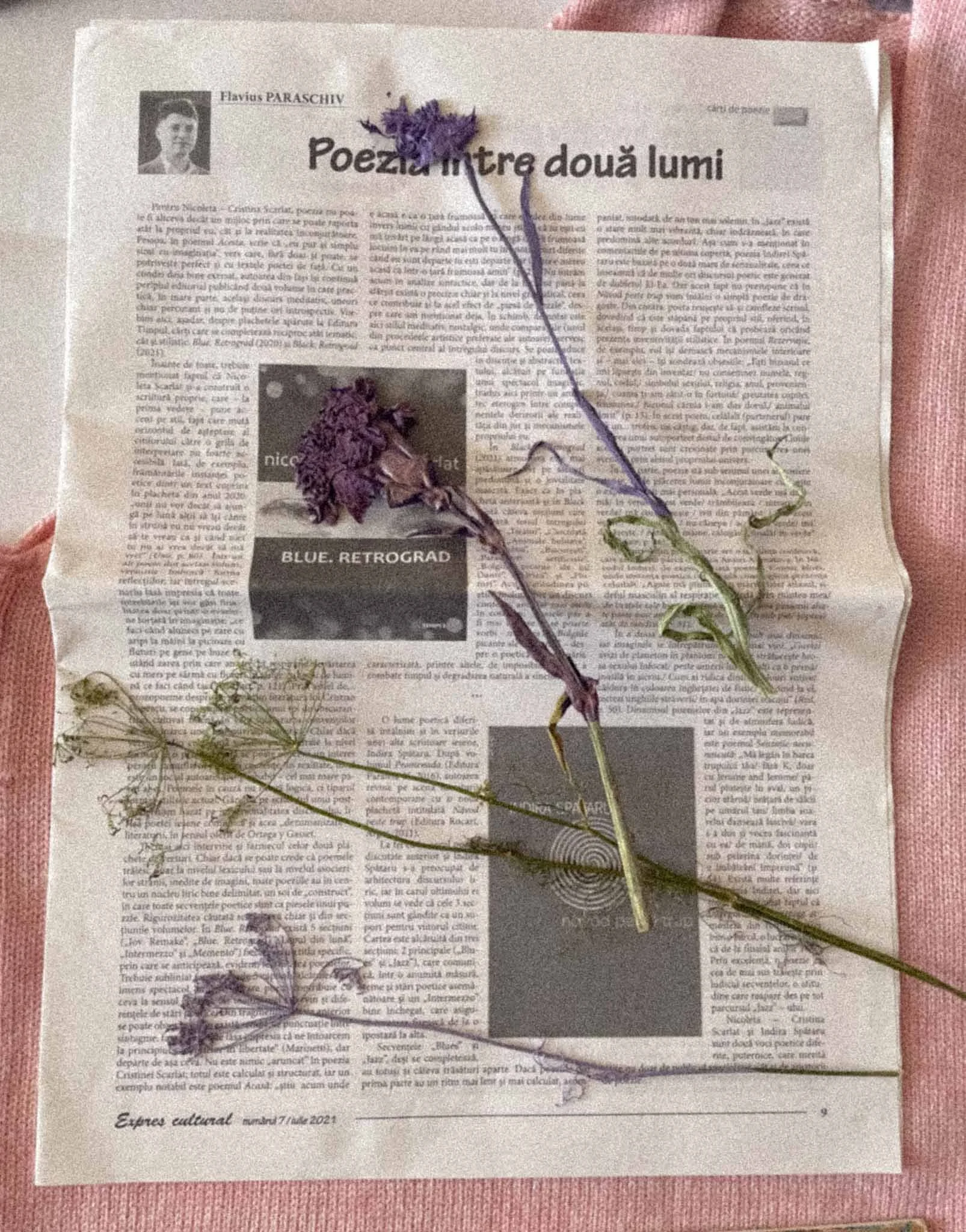
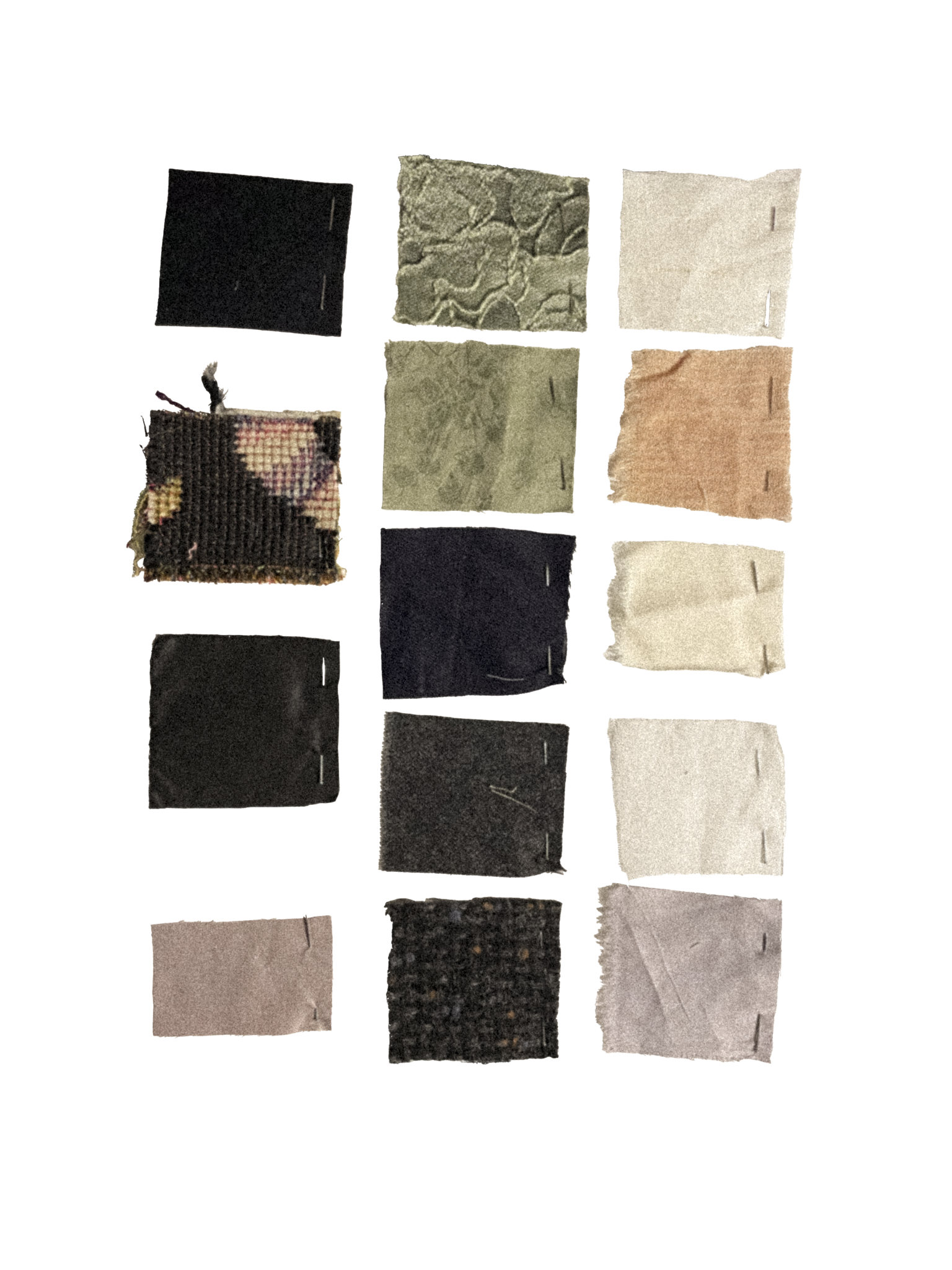
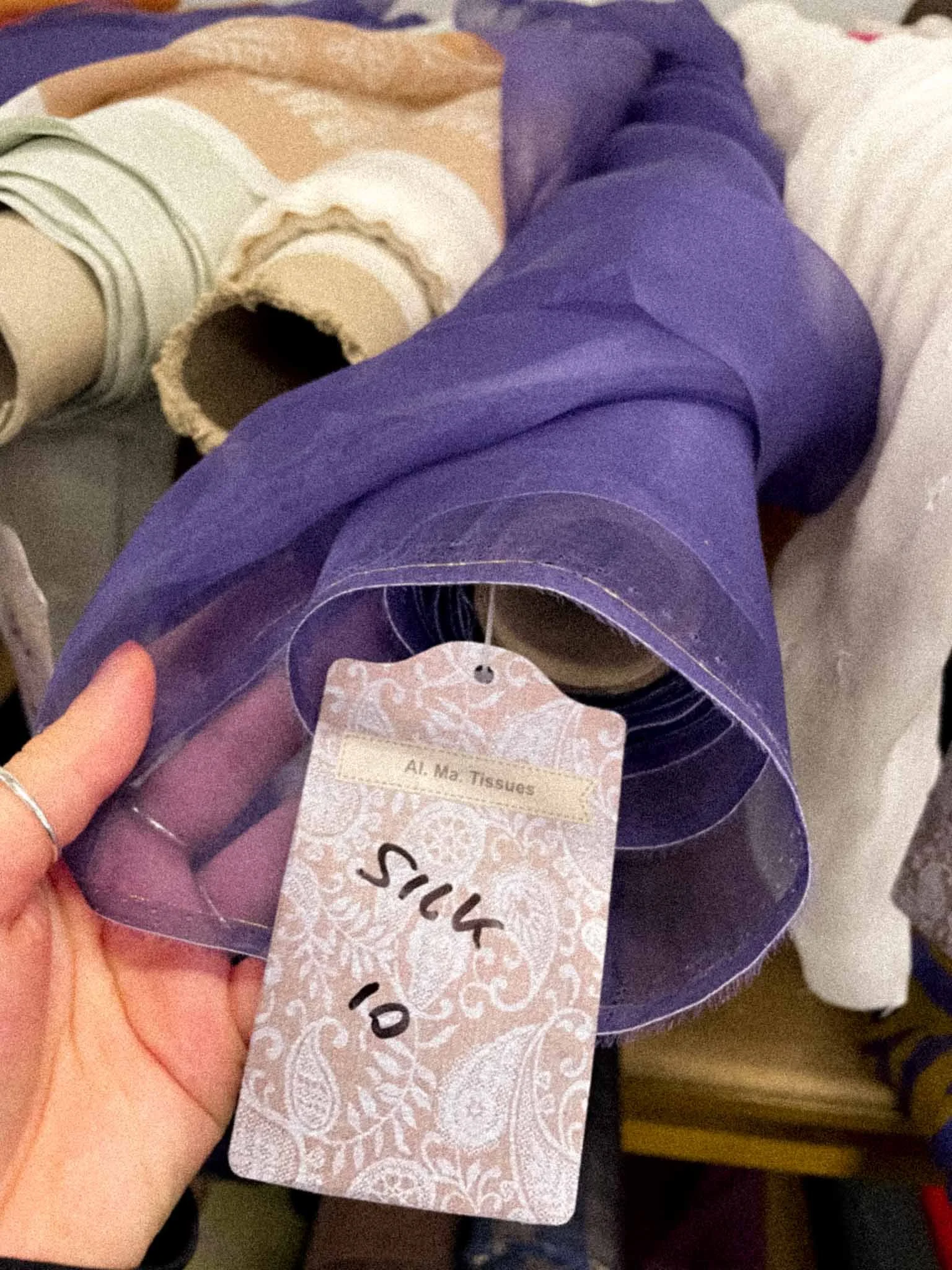
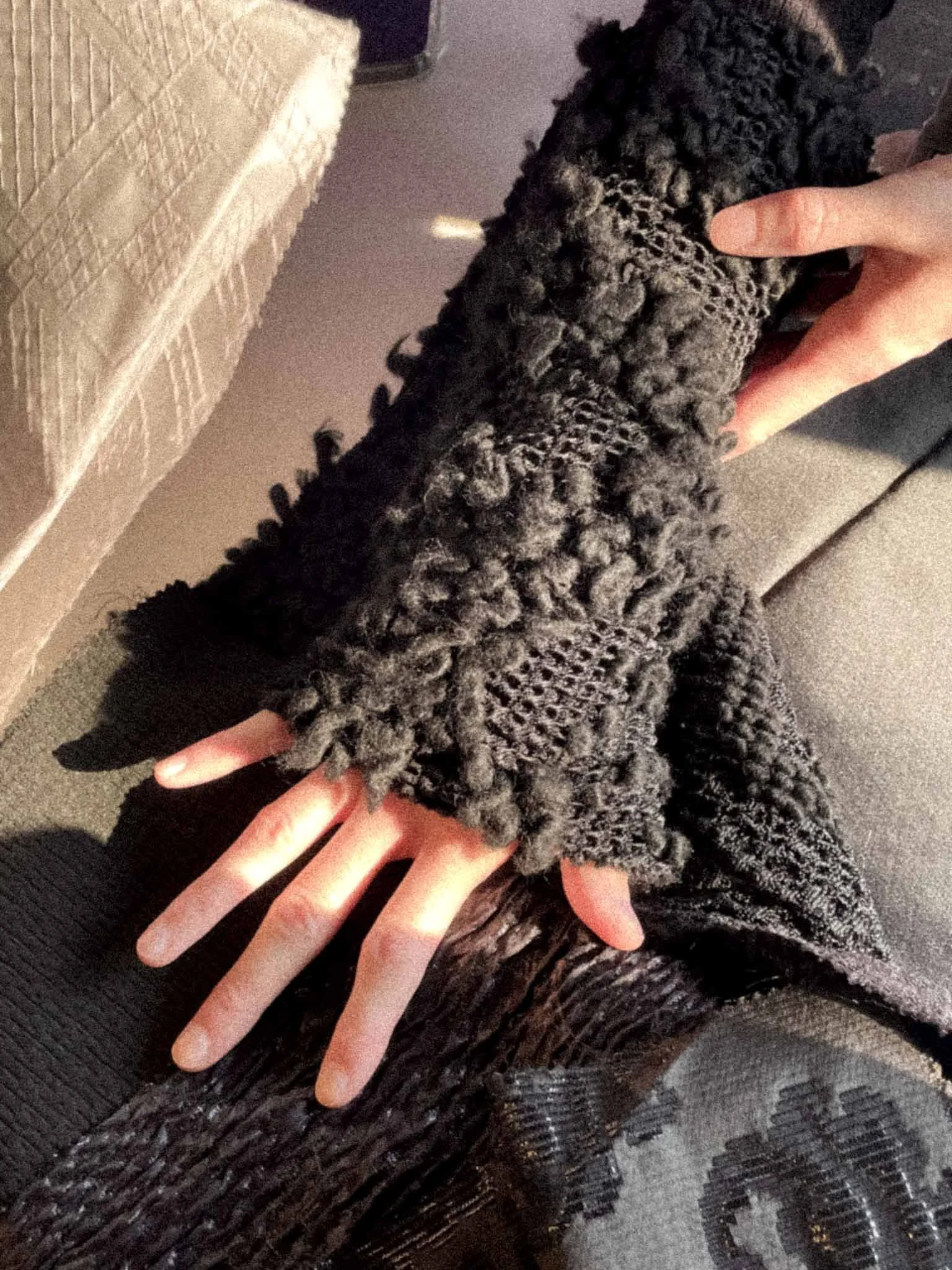
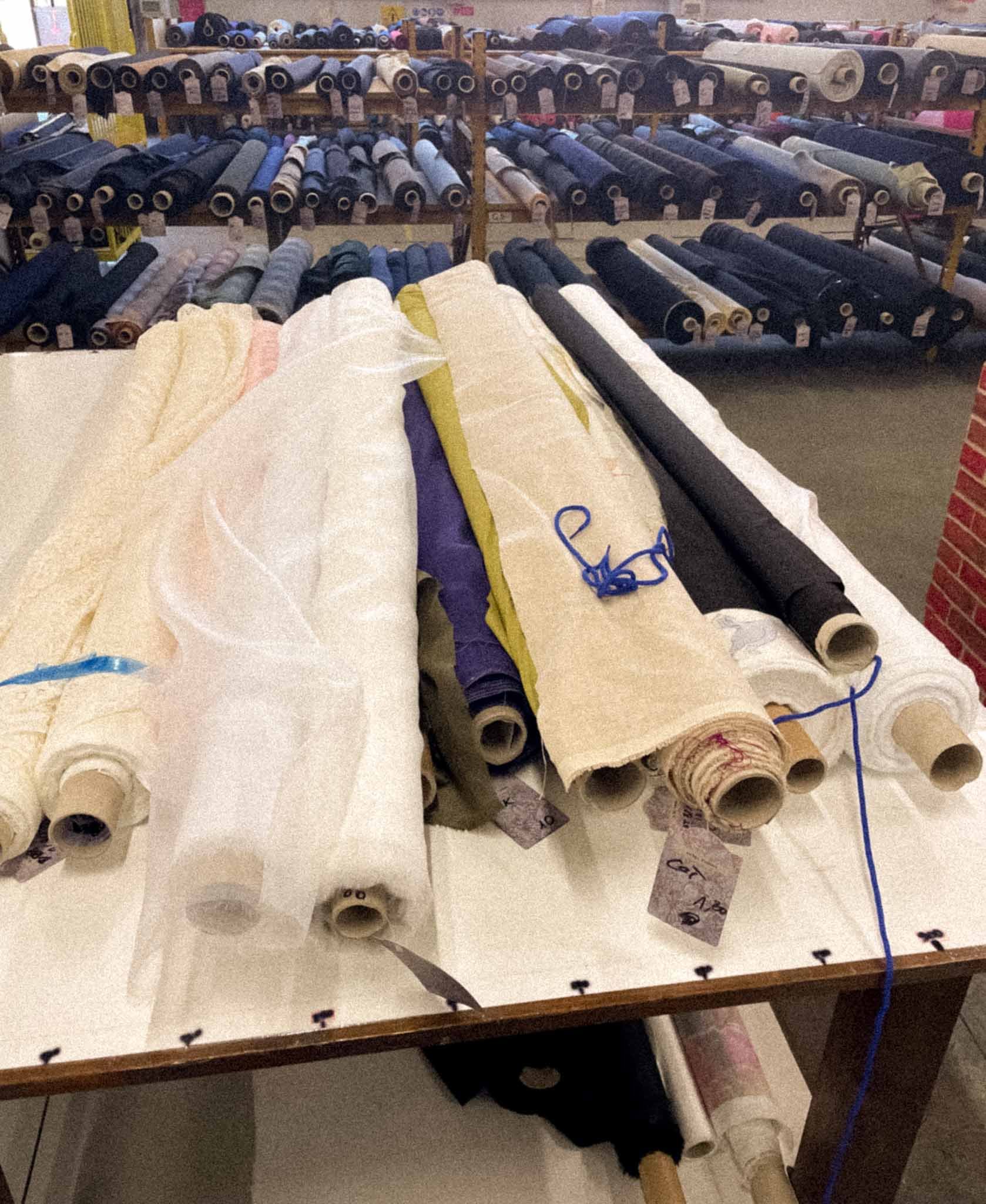
“I find that fabric tells me what it wants to be - I designed based on its width and weight, I don’t force designs that, for instance, enable me to buy twice the length needed, just because the width is a few centimetres off. I design starting from the fabric sheet. This is my first parameter. I alter the design and the fit based on it.”
Initial sampling - deadstock material facilities
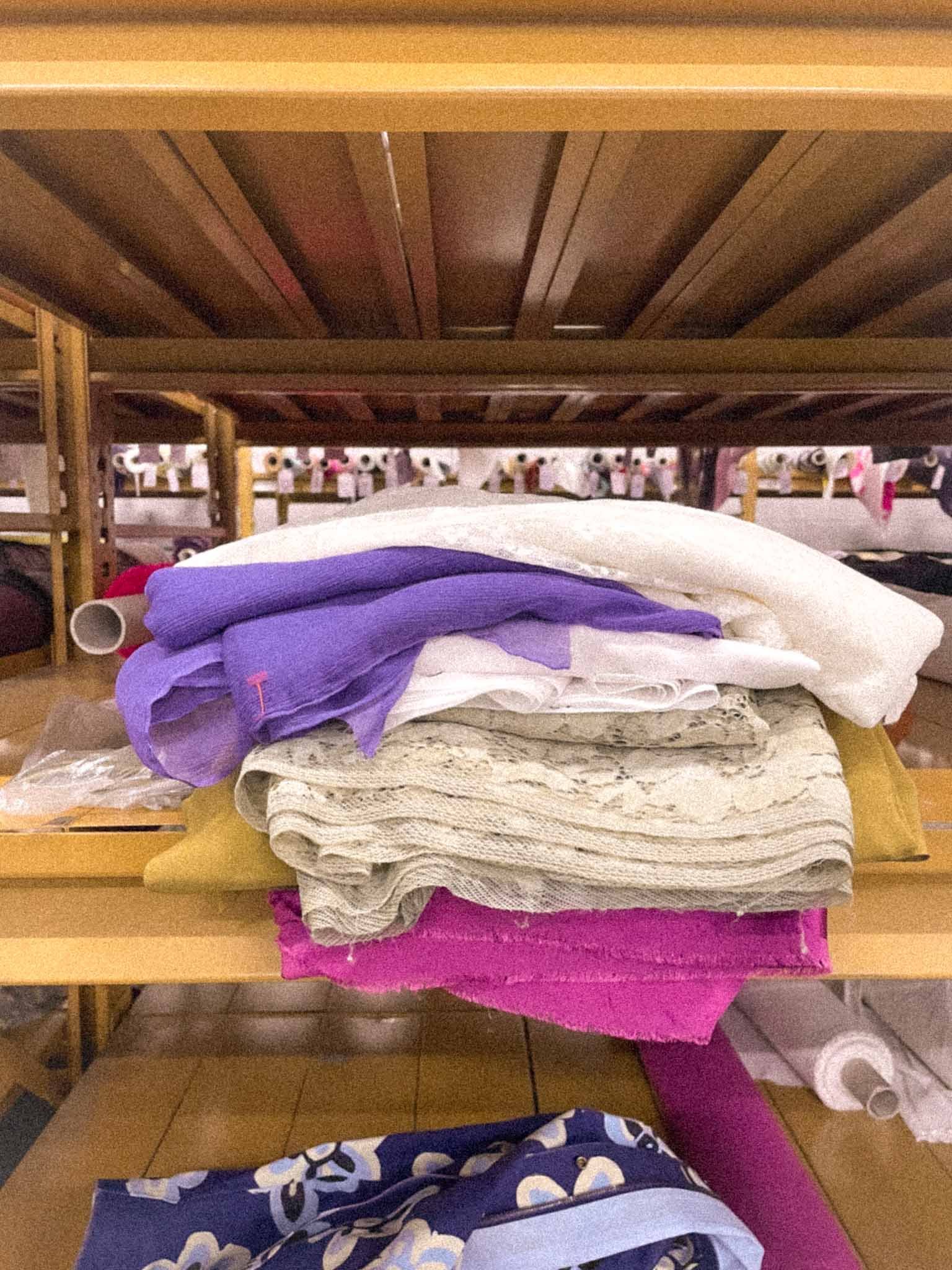
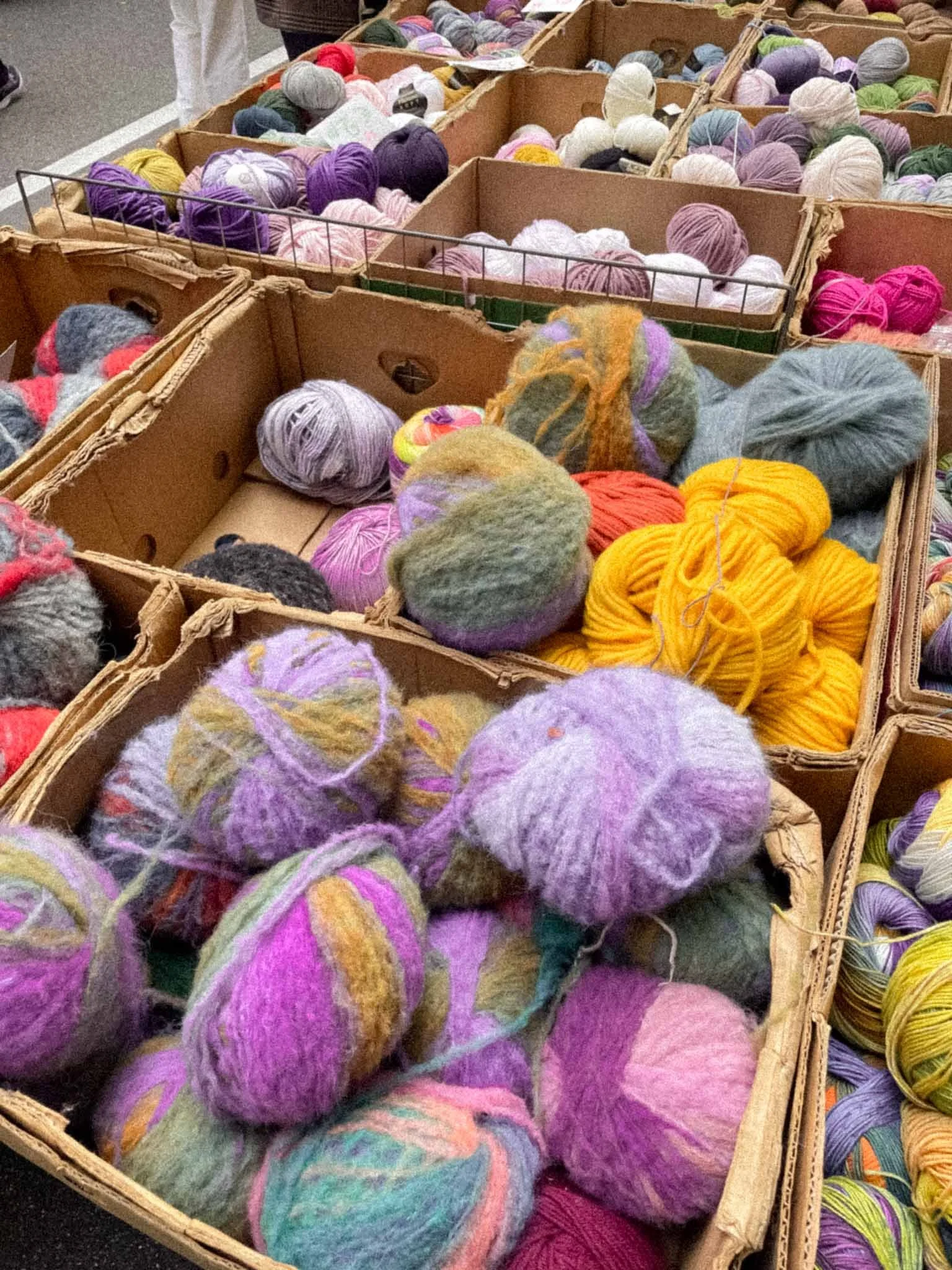
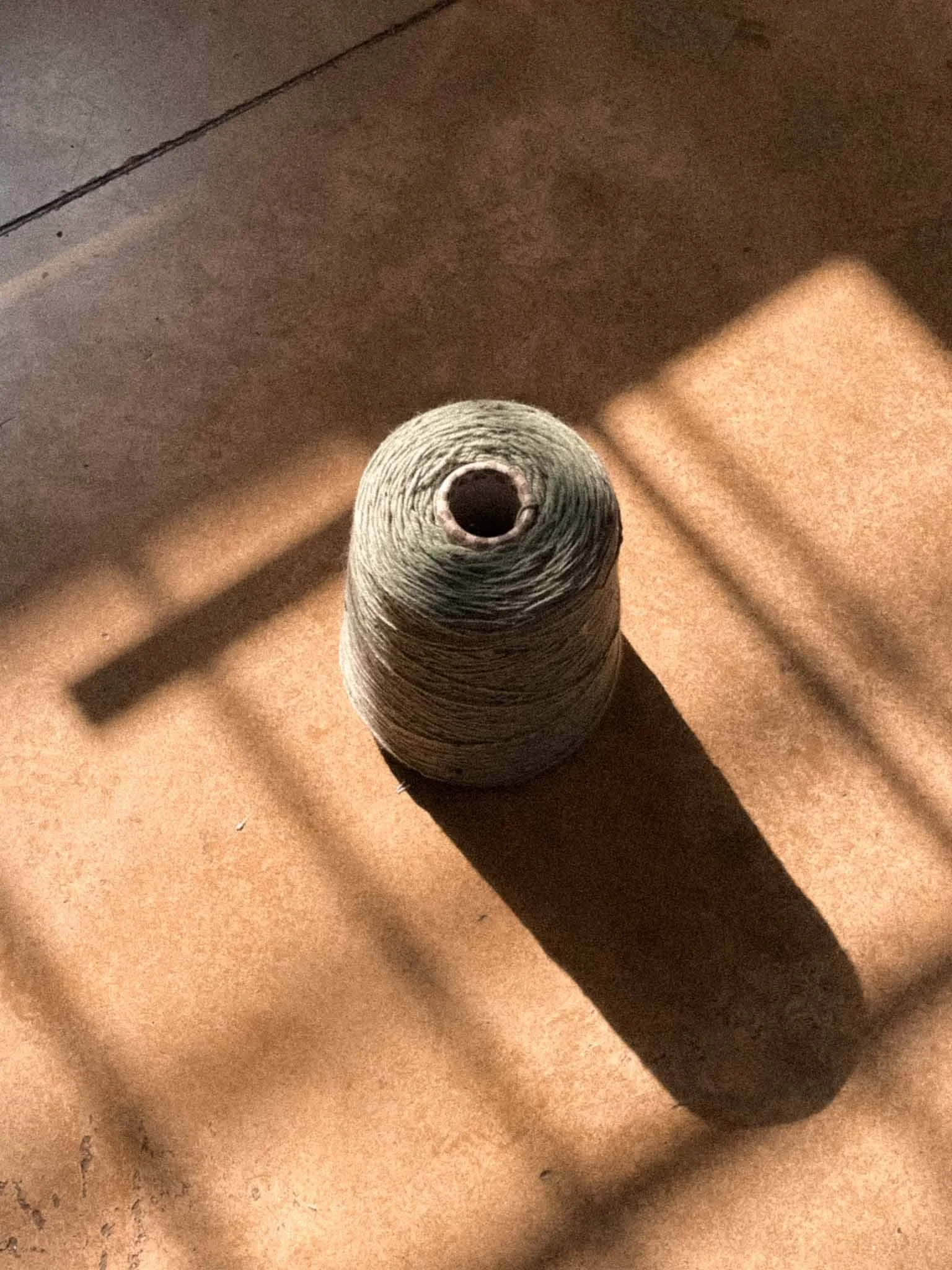
“It’s so important, as a designer, to walk around and touch yarns, touch fabrics, look at the colours in the sun. Going to the Friday market was a ritual, and it helped me sample many of the final yarns for the collection.”
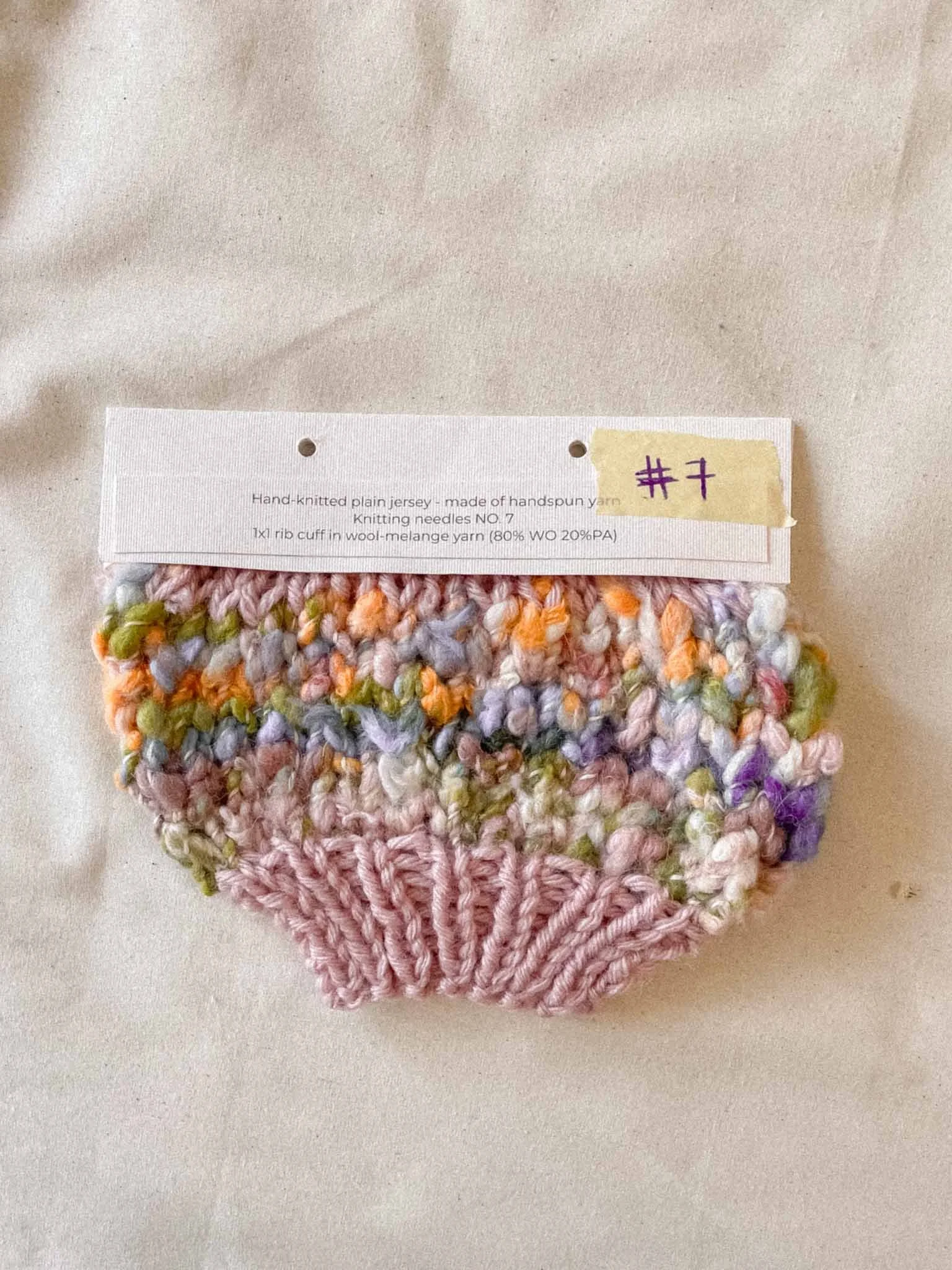
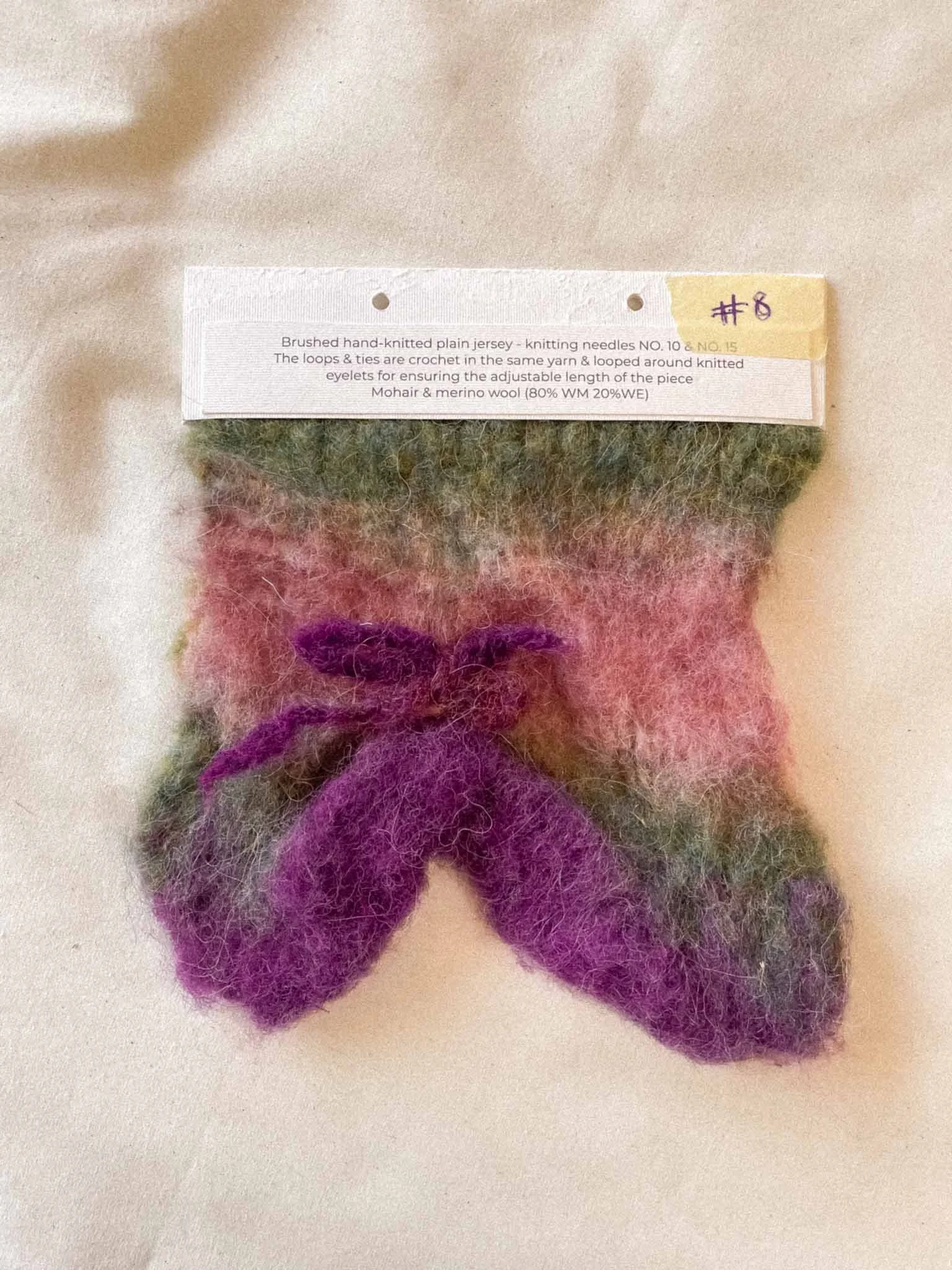
Yarn sampling
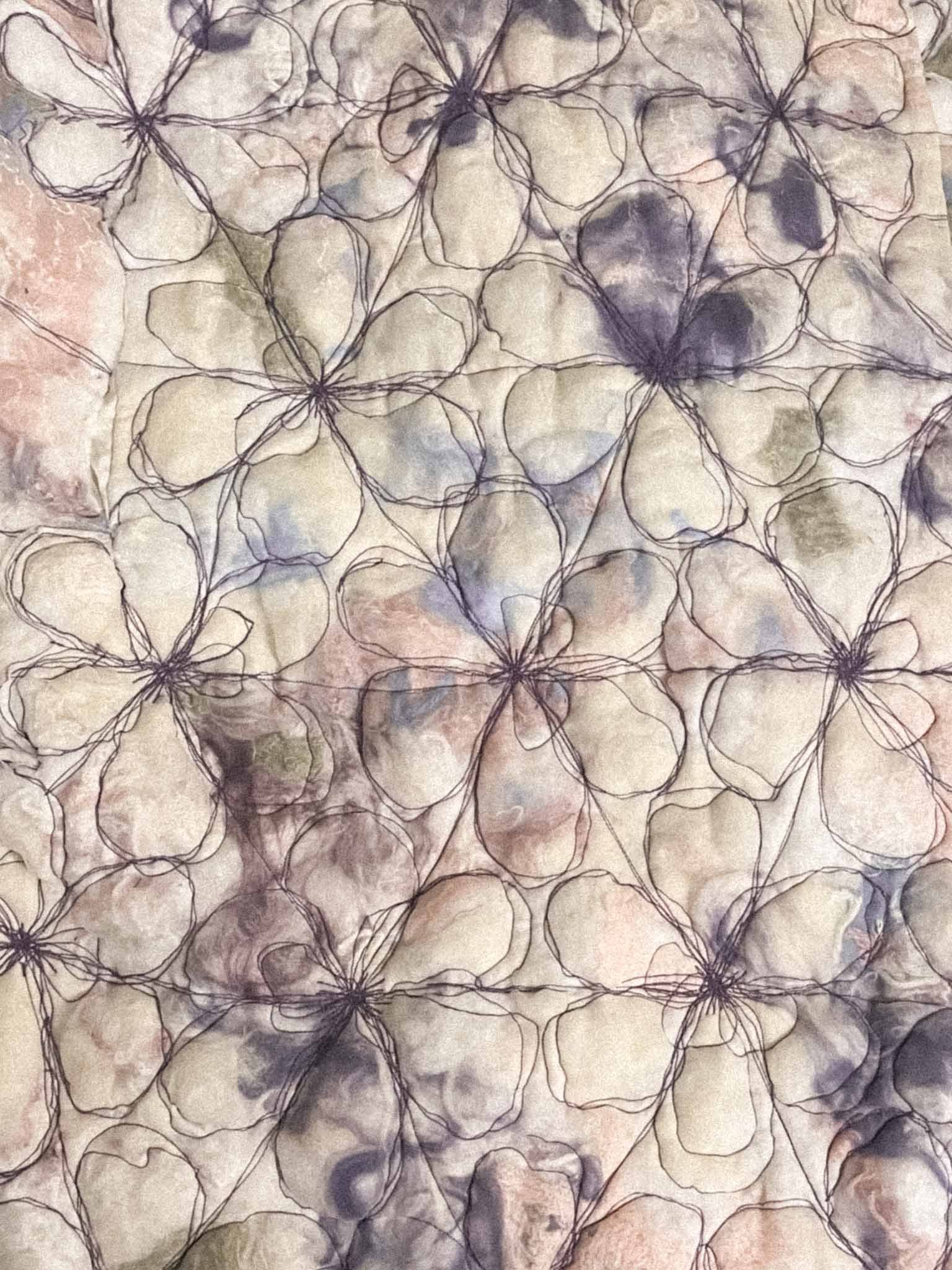
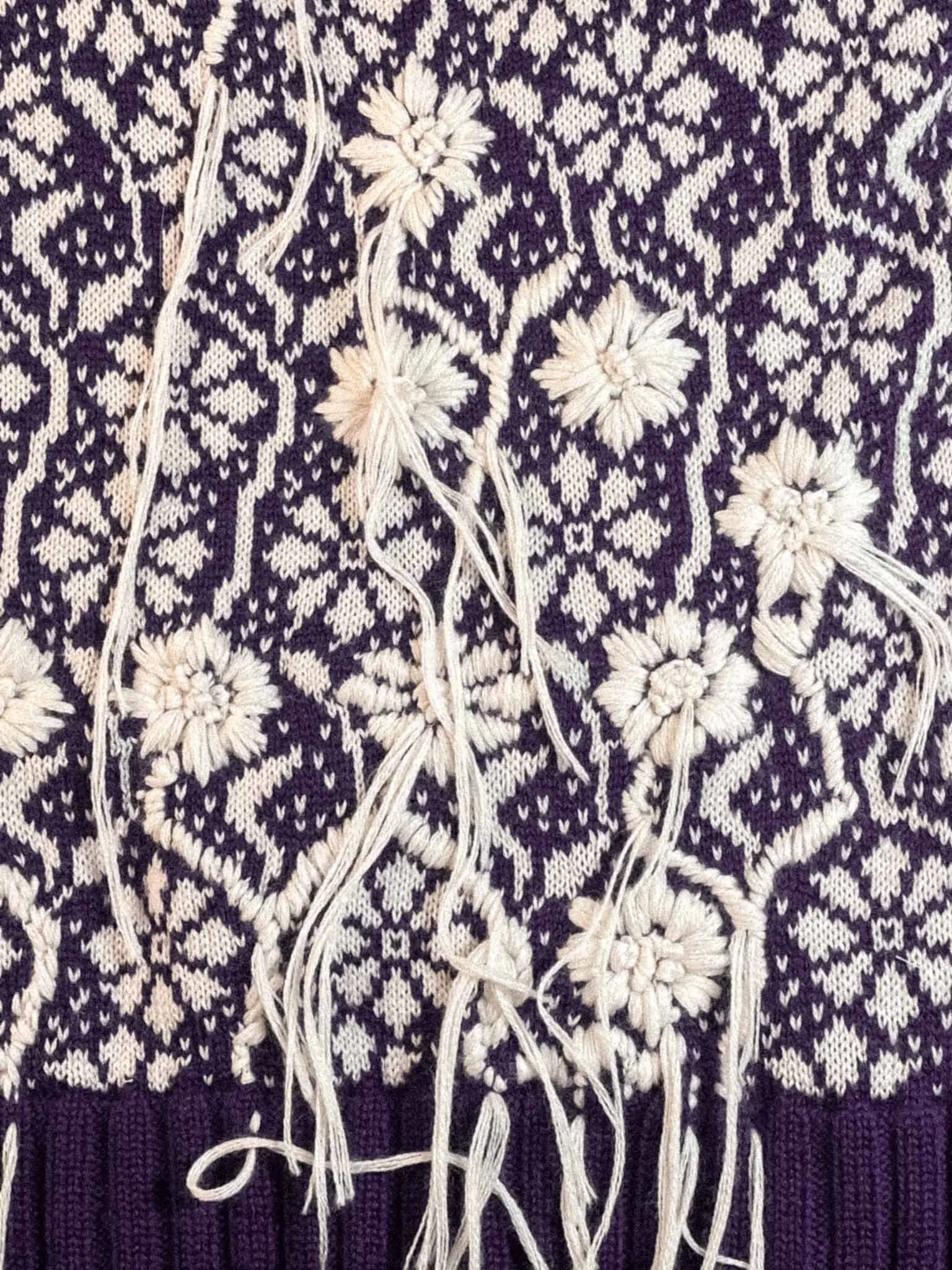
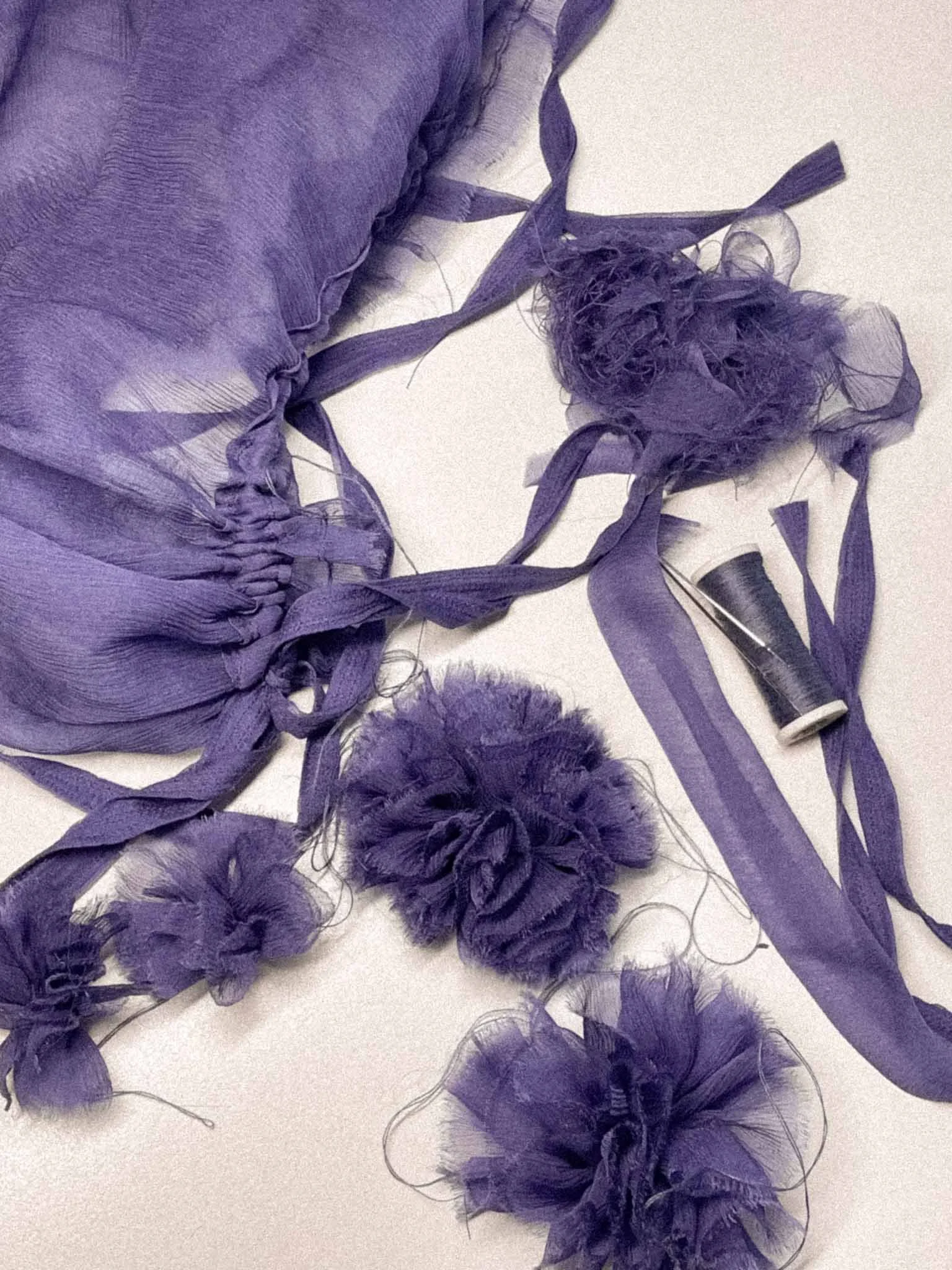
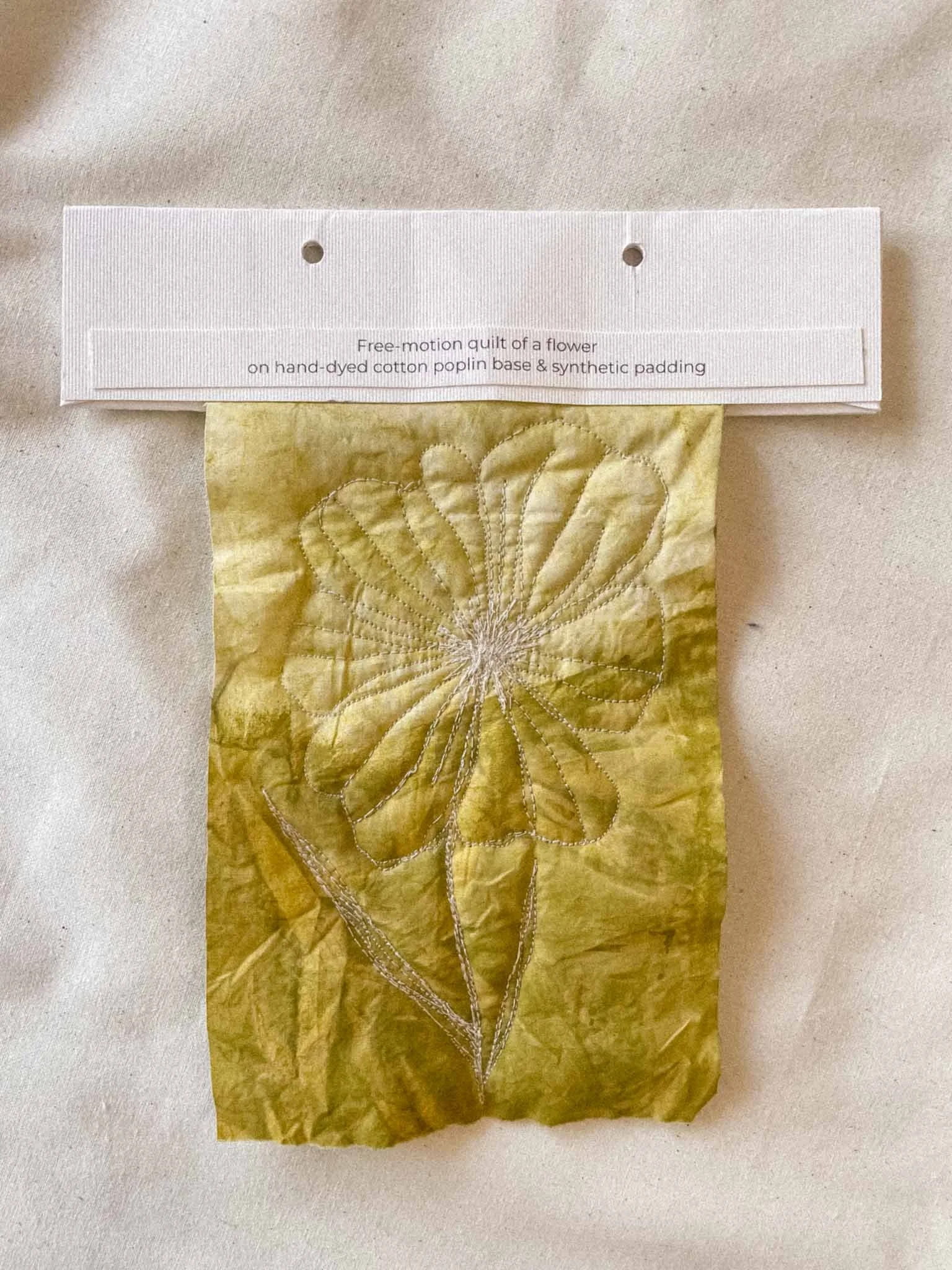
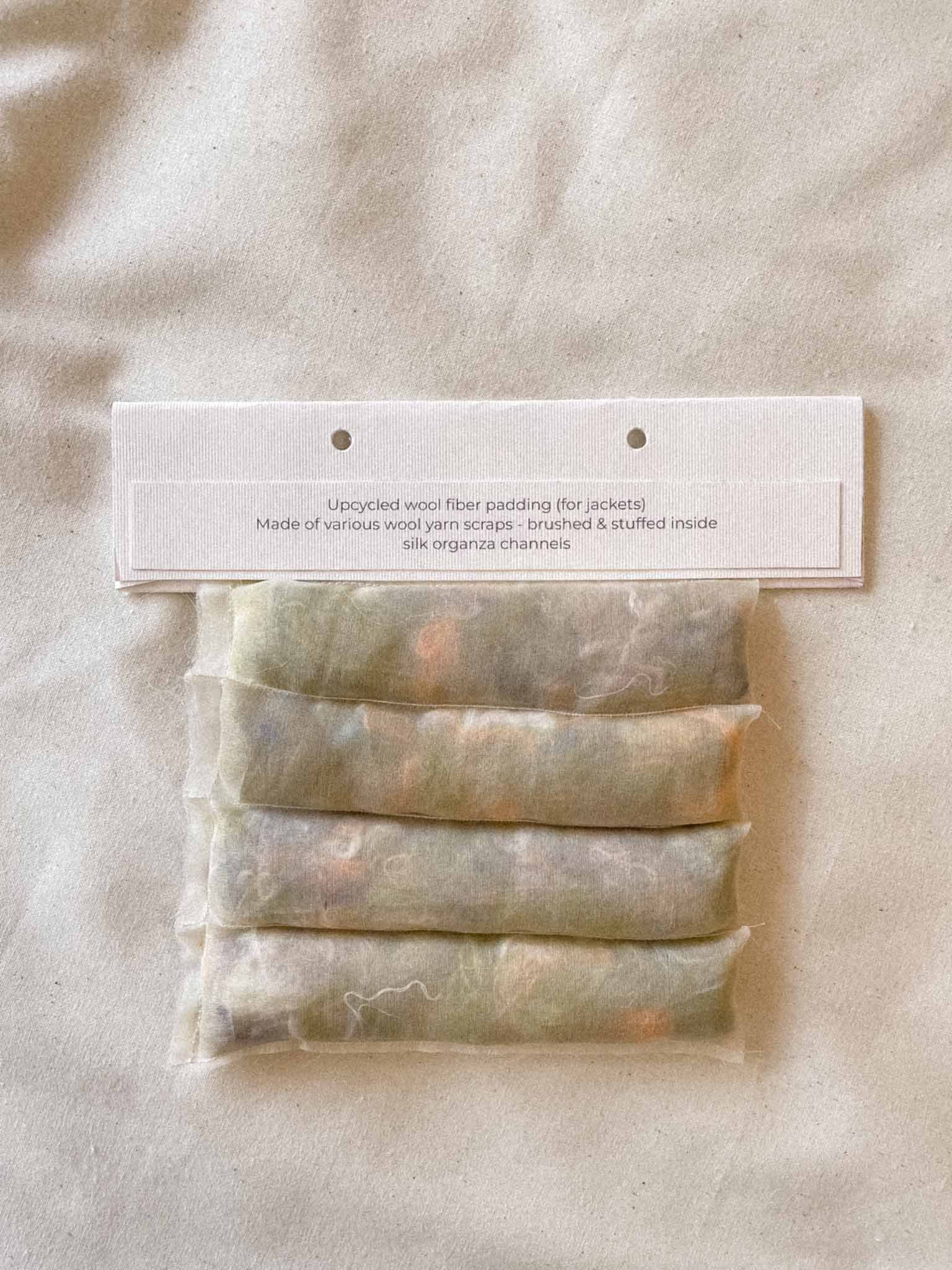
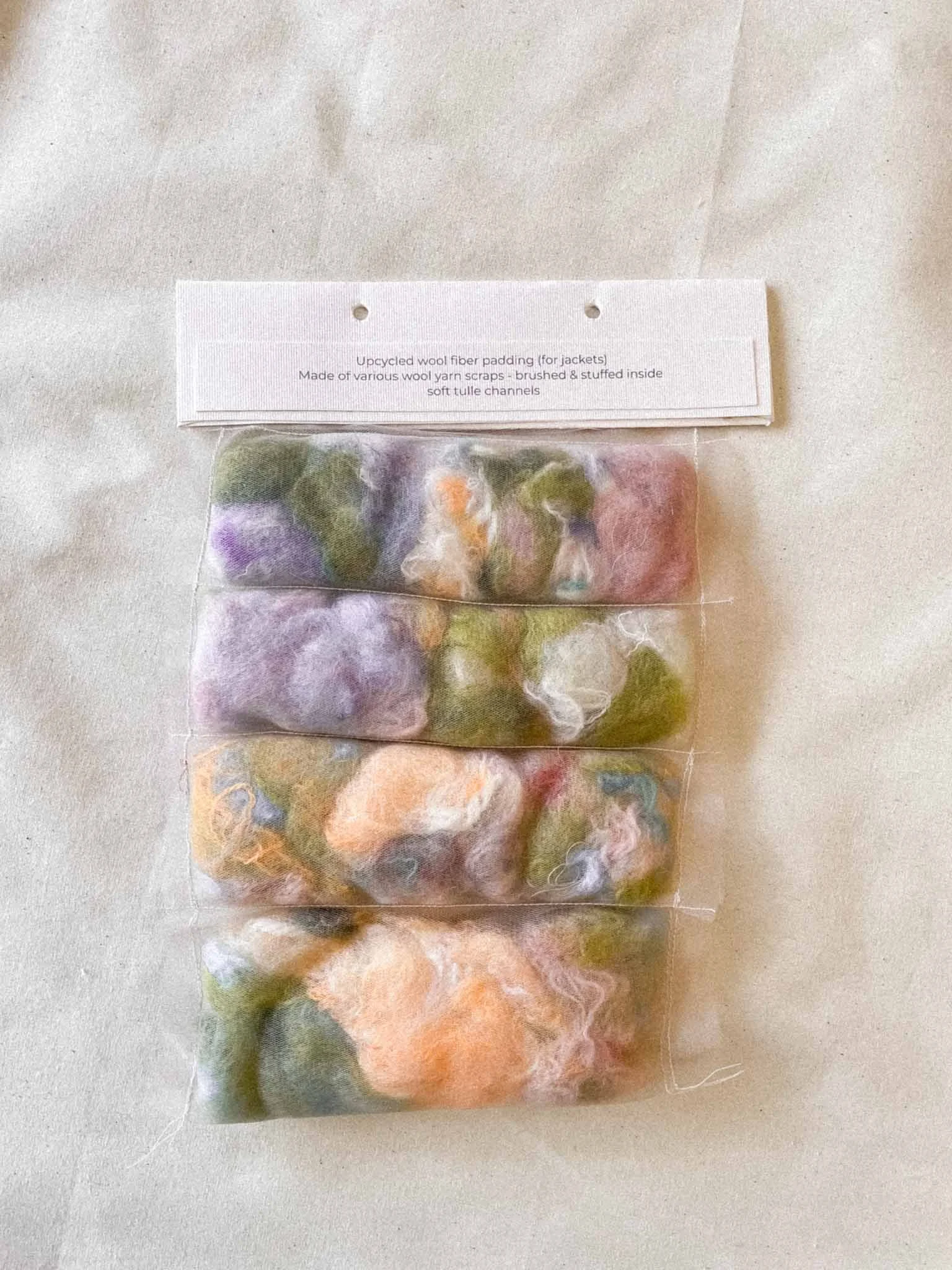
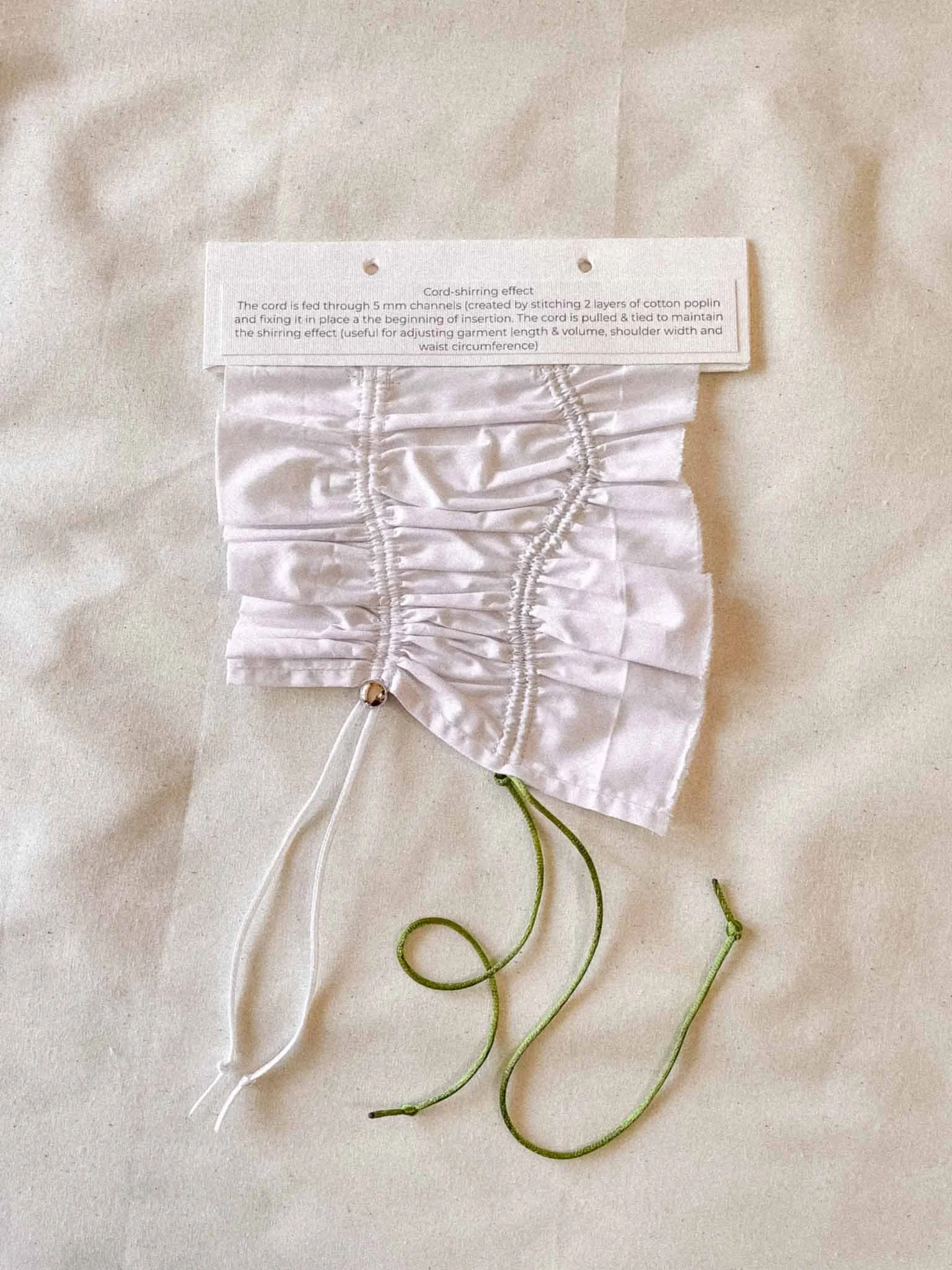
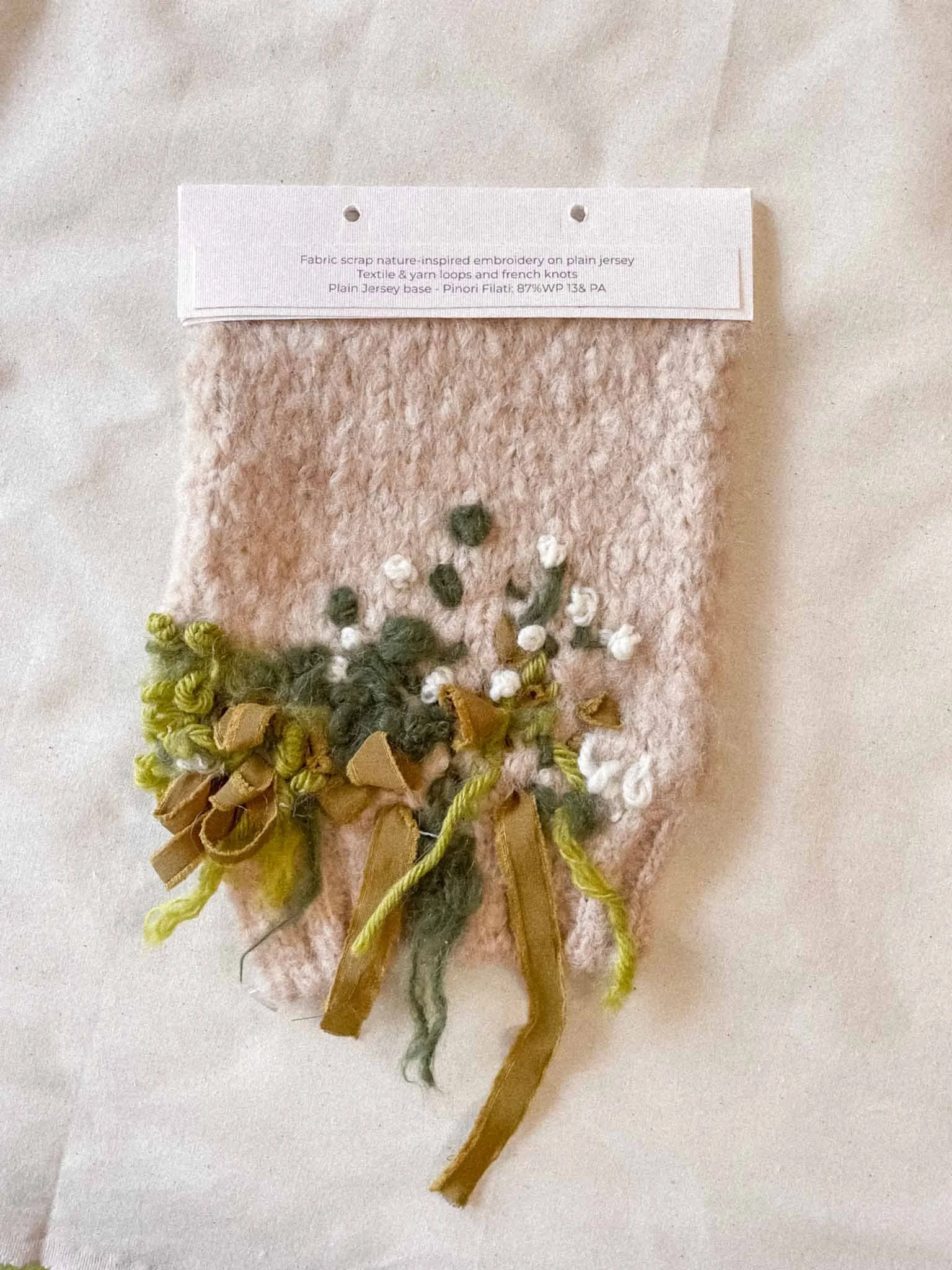
Fabric manipulations
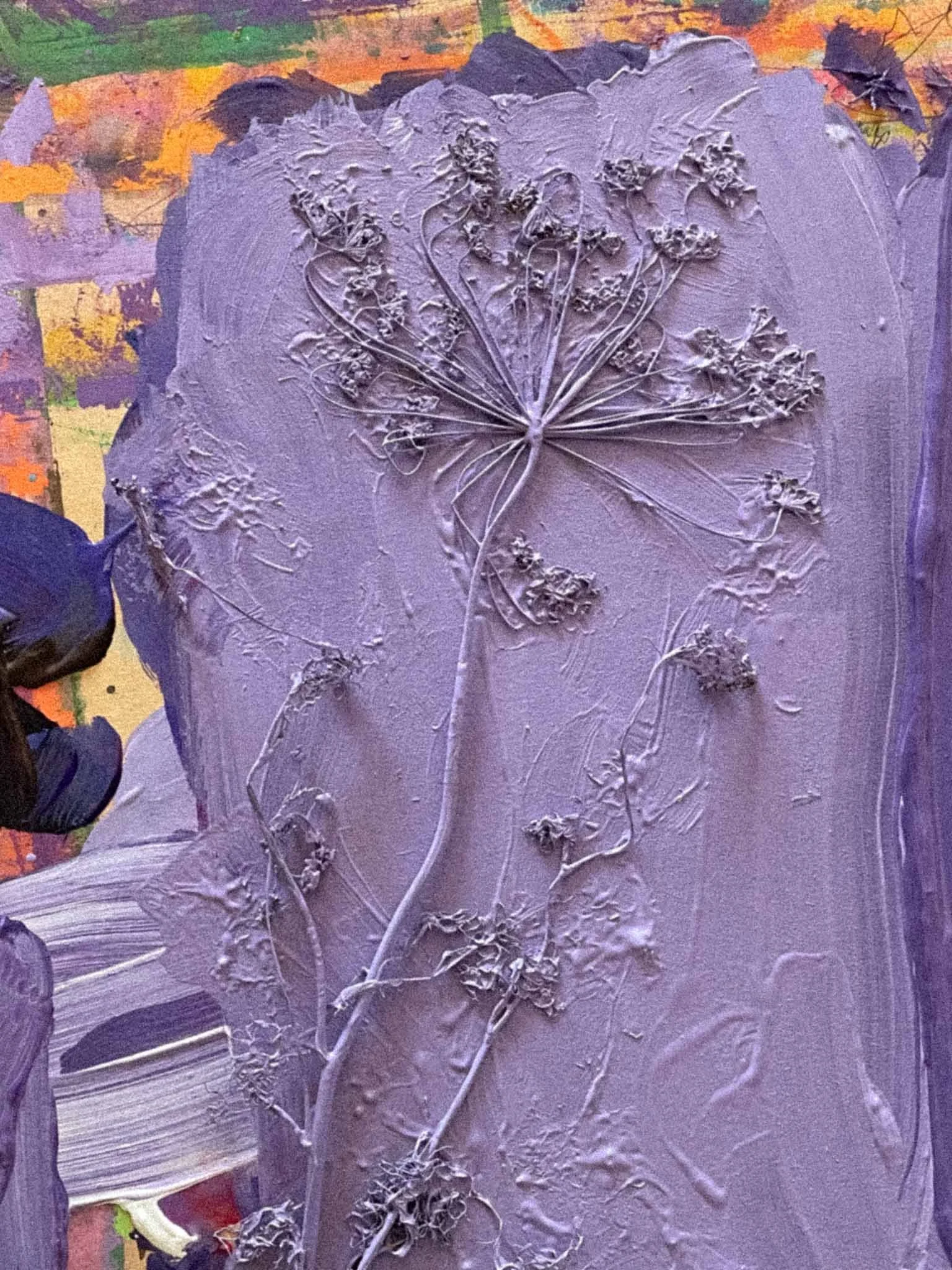
“The fabric manipulations are also key for the collection - it was important for me to develop some techniques from the very beginning so that the second cycle of life of certain fabrics or garments would be an intentional technique, rather than a make-shift solution. As previously mentioned, I also did not want to rely on industrial surface-finishing techniques or printing, because none of them would be natural or planet-friendly. These are usually applied to synthetic surfaces, which I wanted to avoid at all costs.”